Inhalers for Children – Safe & Trusted Paediatric Respiratory Care Online
Introduction:-
Watching a child struggle to breathe is one of the most distressing experiences a parent or caregiver can face. Childhood asthma and other paediatric respiratory conditions are remarkably common — affecting millions of children worldwide and requiring careful, age-appropriate medical management to keep young patients safe, comfortable, and active. Inhalers remain the gold standard treatment for childhood asthma, delivering medication directly into developing lungs at precise doses with minimal systemic exposure.
At our online pharmacy, we stock a carefully selected range of genuine paediatric inhaler products, giving parents and caregivers convenient, affordable access to the trusted respiratory treatments their children need — prescribed safely, ordered easily, and delivered discreetly to your door.
How do inhalers help children with Asthma?
Children’s airways are naturally smaller and more sensitive than those of adults, making them more vulnerable to the inflammation, irritation, and narrowing that characterises asthma. Inhalers address this directly — delivering medication into the lungs in small, controlled doses that act precisely where the problem exists.
Regular use of the right inhaler combination helps children breathe more comfortably, sleep through the night without coughing, participate fully in physical activity, and enjoy childhood without their respiratory condition constantly holding them back. With the correct treatment plan in place, the vast majority of children with asthma can achieve excellent symptom control and live completely normal, active lives.
Types of Inhalers Available for Children:-
Paediatric respiratory care typically involves one or more of the following inhaler types, tailored carefully to the child’s age, weight, and severity of condition:
Reliever Inhalers (SABAs) — Short-acting bronchodilators such as salbutamol provide rapid relief during acute asthma episodes, opening constricted airways within minutes. Every child with asthma should have a reliever inhaler accessible at all times — at home, at school, and during activities.
Preventer Inhalers (ICS) — Inhaled corticosteroids such as fluticasone, budesonide, and beclomethasone are prescribed for children with persistent asthma symptoms. Used daily as directed, these inhalers gradually reduce airway inflammation and significantly decrease the frequency of asthma attacks over time.
Combination Inhalers — For older children and adolescents whose asthma is not adequately controlled by a corticosteroid alone, combination inhalers delivering both a preventer and a long-acting bronchodilator in a single device may be prescribed as part of a stepped-up treatment approach.
Nebuliser Solutions — Liquid medication formulations delivered through a nebuliser machine are particularly useful for very young children, infants, or those experiencing severe acute episodes who are unable to use a handheld inhaler device effectively.
Inhaler Devices Suitable for Children:-
Choosing the right device is just as important as choosing the right medication. Children of different ages require different inhaler formats to ensure effective, safe, and consistent drug delivery:
- pMDI with Spacer and Face Mask — The most widely recommended option for infants and toddlers up to approximately three years of age. The spacer holds the medication in a chamber while the face mask ensures effective inhalation without requiring any coordination from the child
- pMDI with Spacer and Mouthpiece — Suitable for children aged approximately three to five years and older who can form a proper seal around a mouthpiece and breathe in on instruction
- Breath-Activated Inhalers — Appropriate for older children and teenagers who can inhale with sufficient force to trigger the device automatically, removing the need for hand-breath coordination
- Dry Powder Inhalers (DPI) — Generally suitable for children aged five and above who can generate adequate inspiratory flow, offering a propellant-free alternative to aerosol devices
- Nebuliser Machines — Recommended for very young children, infants, or during severe acute episodes where other delivery methods are impractical or ineffective.
Learn More:- Asthma Inhalers: Types, Uses, Benefits & Complete Treatment Guide.
Common Conditions Treated:-
Paediatric inhalers are commonly prescribed for children diagnosed with:
- Childhood Asthma — The most prevalent chronic condition in children, characterised by recurrent wheeze, cough, chest tightness, and breathlessness triggered by exercise, infections, allergens, or cold air
- Viral-Induced Wheeze — Common in toddlers and young children, where respiratory infections trigger episodes of wheezing that respond well to bronchodilator inhaler treatment
- Allergic Asthma — Airway symptoms driven by exposure to allergens such as pollen, dust mites, pet dander, or mould spores
- Exercise-Induced Bronchoconstriction — Airway narrowing triggered specifically by physical activity, preventable with appropriate inhaler use before exercise
- Recurrent Bronchospasm — Repeated episodes of airway tightening in children with heightened bronchial sensitivity
Important Safety Information for Parents & Caregivers:-
Always Follow the Prescribed Treatment Plan — Never adjust your child’s inhaler dose, frequency, or medication without first consulting their doctor or paediatric respiratory specialist. Children’s respiratory treatments are carefully calibrated to their age, weight, and condition severity.
Ensure Correct Inhaler Technique — Even small errors in technique can significantly reduce how much medication reaches your child’s lungs. Ask your child’s doctor, pharmacist, or asthma nurse to demonstrate the correct technique for your child’s specific device, and review it regularly as your child grows.
Always Use a Spacer for Young Children — For children using a pressurised metered-dose inhaler, a spacer device is essential — not optional. Spacers dramatically improve the efficiency of drug delivery and remove the coordination requirement that young children cannot reliably meet.
Keep a Reliever Inhaler Accessible at All Times — Ensure your child’s school, nursery, sports coach, and any other regular caregiver has access to their reliever inhaler and understands when and how to administer it. Acute asthma episodes can occur unexpectedly and require immediate treatment.
Rinse and Clean Spacer Devices Regularly — Spacers should be cleaned regularly according to manufacturer guidance to prevent medication residue buildup and maintain effective drug delivery with every use.
Seek Emergency Medical Help When Needed — If your child’s reliever inhaler does not provide adequate relief during an acute episode, or if their breathing difficulties worsen rapidly, seek emergency medical attention immediately without delay.
Why Buy Children’s Inhalers from Our Online Pharmacy?
- ✅ Genuine, licensed paediatric inhaler medications from reputable manufacturers
- ✅ Full range of child-appropriate devices, including spacers and face masks
- ✅ Affordable, competitive pricing to support ongoing paediatric respiratory care
- ✅ Discreet plain-packaging delivery directly to your home address
- ✅ Secure, encrypted online ordering available around the clock
- ✅ Knowledgeable pharmacy support team available for product and usage guidance
- ✅ Worldwide shipping to ensure every family can access the treatments they need
Medical Disclaimer:-
The information provided on this page is intended for general informational purposes only and does not constitute medical advice, a clinical diagnosis, or a personalised treatment recommendation for any child. All paediatric inhaler medications must be prescribed and supervised by a qualified healthcare professional experienced in childhood respiratory conditions. If your child experiences worsening symptoms, frequent acute episodes, or any unexpected reactions to their inhaler medication, please consult their doctor or paediatric specialist promptly. Never adjust, discontinue, or substitute your child’s prescribed inhaler therapy without first seeking appropriate professional medical guidance.
-
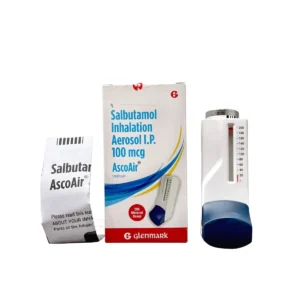
Asco Air Inhaler
Active Ingredient: Salbutamol Indication: Asthma Manufacturer: Glenamrk Packaging: 200 MDI in 1 Inhaler Strength: 100mcg Delivery Time: 6 To 15 days Price range: $35.00 through $130.00Asco Air Inhaler
Price range: $35.00 through $130.00 -
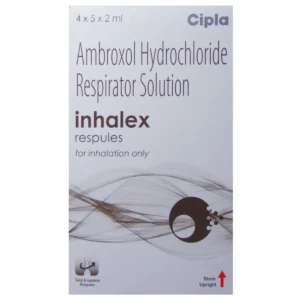
Inhalex Respules
Active Ingredient Ambroxol Hydrochloride Manufacturer Cipla Ltd Packaging 5 respules in 1 packet Strength 15 Mg Delivery Time 6 To 15 days SKU: Inhalex Respules Price range: $20.00 through $72.00Inhalex Respules
Price range: $20.00 through $72.00 -
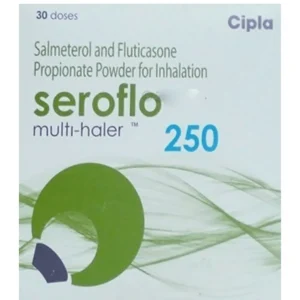
Seroflo Multihaler 250 (Salmeterol/Fluticasone)
Active Ingredient: Salmeterol/Fluticasone Indication: Asthma, Chronic obstructive pulmonary disorder (COPD) Manufacturer: Cipla Limited Packaging: 60 MDI in 1 Inhaler Strength: 250mcg Delivery Time: 6 To 15 days Price range: $20.00 through $85.00Seroflo Multihaler 250 (Salmeterol/Fluticasone)
Price range: $20.00 through $85.00 -
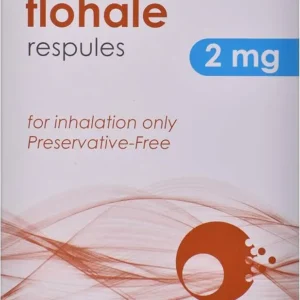
Flohale Respules (Fluticasone Propionate)
Active Ingredient Fluticasone Propionate Manufacturer Cipla Limited Packaging 5 respules in 1 packet Strength 0.5 mg/2 mg Delivery Time 6 To 15 days SKU: Flohale Price range: $45.00 through $181.00Flohale Respules (Fluticasone Propionate)
Price range: $45.00 through $181.00 -

Seroflo Inhaler 50 Mcg (Salmeterol & Fluticasone)
Active Ingredient Salmeterol/Fluticasone Manufacturer Cipla Limited Packaging 120 MDI in 1 Inhaler Strength 50 Mcg, 125 Mcg, 250 Mcg Delivery Time 6 To 15 days SKU: Seroflo Inhaler 50 Mcg (Salmeterol/Fluticasone) Price range: $11.00 through $47.00Seroflo Inhaler 50 Mcg (Salmeterol & Fluticasone)
Price range: $11.00 through $47.00 -

Levolin Rotacaps (Levosalbutamol)
Active Ingredient Levosalbutamol Manufacturer Cipla Limited Packaging 30 Rotacaps in 1 bottle Strength 100 Mcg Delivery Time 6 To 15 days SKU: Levolin Rotacaps (Levosalbutamol) Price range: $4.80 through $12.30Levolin Rotacaps (Levosalbutamol)
Price range: $4.80 through $12.30 -

Levolin Respules 0.31 Mg (Levosalbutamol)
Active Ingredient Levosalbutamol Manufacturer Cipla Limited Packaging 5 Respules in Strip Strength 0.31 Mg, 1.25 Mg Delivery Time 6 To 15 days SKU: Levolin Respules 0.31 Mg (Levosalbutamol) Price range: $6.60 through $22.00Levolin Respules 0.31 Mg (Levosalbutamol)
Price range: $6.60 through $22.00 -

Levolin Inhaler (Levosalbutamol)
Active Ingredient Levosalbutamol Manufacturer Cipla Limited Packaging 200 MDI in 1 Inhaler Strength 50 Mcg Delivery Time 6 To 15 days SKU: Levolin Inhaler (Levosalbutamol) Price range: $7.00 through $35.00Levolin Inhaler (Levosalbutamol)
Price range: $7.00 through $35.00 -

Duolin Respules (Levosalbutamol & Ipratropium)
Active Ingredient Levosalbutamol/Ipratropium Manufacturer Cipla Limited Packaging 5 Respules in 1 packet Delivery Time 6 To 15 days SKU: Duolin Respules (Levosalbutamol/Ipratropium) Price range: $20.00 through $56.00Duolin Respules (Levosalbutamol & Ipratropium)
Price range: $20.00 through $56.00 -

Budecort Rotacaps 100 Mcg (Budesonide)
Active Ingredient Budesonide Manufacturer Cipla Limited Packaging 30 rotacaps in 1 packet Strength 100mcg, 200mcg, 400mcg Delivery Time 6 To 15 days SKU: Budecort Rotacaps 100mcg (Budesonide) Price range: $5.40 through $17.10Budecort Rotacaps 100 Mcg (Budesonide)
Price range: $5.40 through $17.10 -

Budecort Respules 0.5 Mg
Active Ingredient Budesonide Manufacturer Cipla Limited Packaging 5 respules in 1 packet Strength 0.5mg, 1mg Delivery Time 6 To 15 days SKU: Budecort Respules 0.5mg (Budesonide) Price range: $24.00 through $99.00Budecort Respules 0.5 Mg
Price range: $24.00 through $99.00 -

Budecort Inhaler 100 Mcg (Budesonide)
Active Ingredient Budesonide Manufacturer Cipla Limited Packaging 200 MDI in 1 Inhaler Strength 100mcg, 200mcg Delivery Time 6 To 15 days SKU: Budecort Inhaler 100mcg (Budesonide) Price range: $13.00 through $51.00Budecort Inhaler 100 Mcg (Budesonide)
Price range: $13.00 through $51.00