
- “Beclate Inhaler 200 mcg (Beclometasone)” already exists in your wishlist
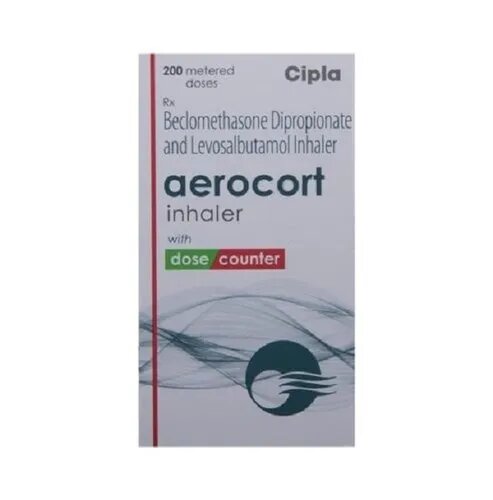
Aerocort Inhaler (Beclometasone & Levosalbutamol)
Price range: $30.00 through $80.00
| Active Ingredient | Beclometasone/Levosalbutamol |
|---|---|
| Manufacturer | Cipla Limited |
| Packaging | 200 MDI in 1 packet |
| Strength | 50mcg |
| Delivery Time | 6 To 15 days |
| SKU: | Aerocort Inhaler (Beclometasone/Levosalbutamol) |
Aerocort Inhaler — Complete Product Description:-
Overview:-
Aerocort Inhaler is a clinically proven, prescription-based combination respiratory medication that delivers two of the most trusted and well-established medicines for airway disease in a single, convenient pressurized Metered-Dose Inhaler (MDI). Manufactured by Cipla Ltd. — one of India’s foremost and globally recognized pharmaceutical companies — Aerocort Inhaler is designed for the regular, long-term management of asthma and chronic obstructive pulmonary disease (COPD) in patients who require both airway relaxation and anti-inflammatory protection as part of their daily treatment regimen.
Each actuation of Aerocort Inhaler delivers a precisely measured combination of 50 mcg of Levosalbutamol and 50 mcg of Beclomethasone Dipropionate directly into the lungs. The inhaler comes preloaded with 200 metered doses, making it a dependable, long-lasting component of any respiratory maintenance programme. Its compact, pocket-sized design means that consistent, high-quality dual-action therapy is always accessible — at home, at work, or while travelling.
Aerocort Inhaler is fundamentally a preventer and controller medication — a daily maintenance therapy prescribed to be used every day on a regular schedule, whether or not symptoms are present at the time of dosing. It addresses the two core pathological processes that drive chronic respiratory disease simultaneously: airway smooth muscle constriction and persistent airway inflammation. With consistent use, it not only eases existing symptoms but also actively reduces the frequency and severity of future asthma episodes, gradually improving lung function and restoring quality of life.
Active Ingredients & Strengths
Aerocort Inhaler contains two active pharmaceutical ingredients, each contributing a distinct and complementary therapeutic action:
Levosalbutamol — 50 mcg per actuation. Levosalbutamol is the purified R-enantiomer of conventional Salbutamol (Albuterol) — a selective beta-2 adrenergic receptor agonist and short-acting bronchodilator. It is the pharmacologically active form of the molecule, delivering targeted bronchial smooth muscle relaxation without the side effects associated with the inactive S-isomer found in standard Salbutamol formulations. Its inclusion in Aerocort Inhaler ensures that patients experience rapid and effective opening of the airways with each dose.
Beclomethasone Dipropionate — 50 mcg per actuation Beclomethasone Dipropionate is a well-established inhaled corticosteroid (ICS) with potent, locally-acting anti-inflammatory properties in the respiratory tract. Unlike oral or injected steroids, inhaled Beclomethasone acts directly within the airway lining — delivering targeted suppression of chronic inflammation with minimal systemic absorption. It has been a cornerstone of asthma preventer therapy for decades and is trusted by respiratory specialists worldwide for its safety and efficacy when used as directed.
Together, these two ingredients form a precisely calibrated therapeutic combination — Levosalbutamol opens the airways for immediate bronchodilatory relief, while Beclomethasone steadily reduces the underlying inflammation that sustains airway hyperresponsiveness and drives recurring attacks.
How It Works — Mechanism of Action?
The dual mechanism of the Aerocort Inhaler is what distinguishes it from single-component inhalers and makes it a comprehensive solution for long-term respiratory management.
Levosalbutamol — Bronchodilation Levosalbutamol works by selectively binding to beta-2 adrenergic receptors on the smooth muscle cells lining the bronchial airways. This activates the enzyme adenylate cyclase, which increases levels of cyclic adenosine monophosphate (cAMP) within the cell. Rising cAMP activates protein kinase A, which prevents phosphorylation of myosin — the molecular trigger for smooth muscle contraction. The net result is rapid, sustained relaxation of the bronchial smooth muscle, causing the constricted airways to widen, airflow resistance to drop significantly, and breathing to become measurably easier. Levosalbutamol also inhibits the release of bronchoconstricting mediators from mast cells, providing an additional protective mechanism.
Beclomethasone Dipropionate — Anti-Inflammation Beclomethasone acts by suppressing the release of a broad range of inflammatory mediators — including histamine, leukotrienes, prostaglandins, and cytokines — from the mast cells, eosinophils, macrophages, and other immune cells that populate the inflamed airway lining. By inhibiting this inflammatory cascade at a cellular level, Beclomethasone progressively reduces airway swelling, decreases excess mucus production, lowers airway hyperresponsiveness, and prevents the long-term structural changes to the airways that arise from poorly controlled, chronic inflammation.
Together, these two mechanisms address the complete picture of obstructive airway disease — the acute narrowing that causes immediate distress, and the chronic inflammation that sustains and perpetuates it — making Aerocort Inhaler a genuinely comprehensive maintenance therapy.
Therapeutic Uses
1. Asthma Management Asthma is characterized by recurrent episodes of airway narrowing, inflammation, and hypersensitivity triggered by allergens, cold air, exercise, respiratory infections, tobacco smoke, dust, and a range of other stimuli — producing wheezing, coughing, chest tightness, and shortness of breath. Aerocort Inhaler manages asthma comprehensively by both relaxing the constricted airways through bronchodilation and reducing the underlying inflammatory burden that makes the airways prone to recurring episodes. Regular daily use steadily reduces the number and severity of asthma attacks, decreases the need for rescue bronchodilators, and progressively improves overall lung function and respiratory health over weeks of consistent therapy.
2. Chronic Obstructive Pulmonary Disease (COPD) COPD encompasses chronic bronchitis and emphysema — progressive lung conditions characterized by persistent airway inflammation, obstruction, excess mucus production, and difficulty moving air in and out of the lungs. Aerocort Inhaler helps manage COPD by relaxing the obstructed airways, suppressing airway inflammation, and easing the persistent cough, breathlessness, chest tightness, and exercise intolerance that characterize the condition and significantly impair daily life.
3. Prevention of Recurrent . Bronchospasm By maintaining open, less reactive airways through its combined bronchodilatory and anti-inflammatory action, Aerocort Inhaler reduces the likelihood and frequency of spontaneous or trigger-induced bronchospasm occurring between scheduled doses.
4. Reduction in Rescue Inhaler Dependence One of the most clinically meaningful benefits of regular Aerocort Inhaler use is its ability to reduce reliance on short-acting rescue inhalers. As the airways become less inflamed and less hyperresponsive over weeks of consistent maintenance therapy, the frequency and urgency of breakthrough symptoms diminish — allowing patients to live more freely and confidently with fewer interruptions to their daily activities.
5. Long-Term Airway Health Chronic, poorly controlled airway inflammation causes progressive and irreversible structural changes to the airway walls over time — a process known as airway remodeling. Consistent use of Beclomethasone in Aerocort Inhaler actively protects long-term airway architecture and helps preserve lung function over the years.
Complete Guide to Asthma Inhalers: Asthma Inhalers: Types, Uses, Benefits & Complete Treatment Guide.
Dosage & Administration
Aerocort Inhaler must be used exactly as prescribed by the treating physician. The dose, frequency, and duration of therapy will depend on the patient’s age, clinical condition, severity of airway disease, and overall treatment plan. To ensure stable therapeutic levels, it should be taken at the same time every day — even when no symptoms are present. The effect of this medicine may become noticeable after a few days, but it will only reach its full potential after several weeks of regular use.
How to Use the Metered-Dose Inhaler (MDI):
- Remove the mouthpiece cap and inspect it for any dust or debris.
- Prime the inhaler before first use — or if it has not been used for several days — by releasing 2 to 3 puffs into the air to ensure the device is ready to deliver an accurate dose.
- Shake the inhaler well for at least 5 seconds before each use to ensure the medicine is evenly mixed.
- Breathe out gently and fully to empty your lungs.
- Place the mouthpiece between your teeth and close your lips tightly around it to form a firm, airtight seal.
- Begin to breathe in slowly and steadily through your mouth, and simultaneously press down firmly on the canister once to release one puff of medicine.
- Continue breathing in as deeply as possible, drawing the medication as far into the lungs as you can.
- Remove the inhaler from your mouth and hold your breath for approximately 10 seconds — or for as long as comfortably possible — to allow the medication to settle deep in the airways.
- Breathe out slowly and gently through the nose.
- If a second puff is prescribed, wait at least 30 seconds before repeating steps 3 through 9.
- After every dose, rinse your mouth thoroughly with water and spit it out — do not swallow the rinse water. This is an essential step that significantly reduces the risk of oral thrush and throat irritation caused by residual Beclomethasone depositing in the mouth and throat.
- Replace the mouthpiece cap securely after every use.
For patients who find it difficult to coordinate inhalation with canister actuation — particularly young children and some elderly patients — a spacer device can be used with Aerocort Inhaler. The spacer traps the mist of medication so the patient can inhale it more slowly and effectively, improving drug delivery to the lungs and reducing mouth and throat deposition. Consult your doctor or pharmacist for guidance on the appropriate spacer.
If a dose is missed, take it as soon as remembered. If it is nearly time for the next scheduled dose, skip the missed dose — never double up to compensate for a missed one.
Side Effects:-
Aerocort Inhaler is generally well-tolerated when used as directed. Common side effects include oral thrush — a fungal infection of the mouth and throat caused by residual Beclomethasone, presenting as white patches on the inner cheeks, tongue, or roof of the mouth, accompanied by bad breath, dryness, or pain while eating or swallowing — hoarseness or change in voice, sore or irritated throat, cough, headache, nasal congestion, dizziness, dry mouth, muscle cramps, and an elevated heart rate. Most of these side effects are mild in nature and tend to resolve as the body adjusts to the medication over time.
The risk of oral thrush — the most characteristic side effect of inhaled corticosteroid therapy — can be substantially reduced by rinsing the mouth thoroughly with water after every single dose, maintaining good oral hygiene, and brushing teeth regularly.
More serious side effects that require prompt medical attention include severe chest pain, very rapid or persistent palpitations, significant dizziness or fainting, blurred vision, sudden worsening of breathing, and signs of a systemic allergic reaction such as skin rash, swelling of the face, lips, tongue, or throat, or difficulty swallowing. Paradoxical bronchospasm — where breathing becomes harder rather than easier immediately after using the inhaler — is rare but requires immediate discontinuation and urgent medical review.
Extended use of inhaled corticosteroids at high doses may, in some cases, cause a modest reduction in bone mineral density, adrenal suppression, or growth-related effects in children. In children receiving long-term treatment, regular monitoring of height is advisable. These risks are considerably lower with inhaled therapy compared to systemic steroids, but patients on long-term high-dose regimens should discuss periodic monitoring with their doctor.
Precautions & Warnings:-
Before starting treatment with Aerocort Inhaler, patients must inform their doctor about all existing medical conditions — particularly heart disease, high blood pressure, diabetes, overactive thyroid gland (hyperthyroidism), low blood potassium levels (hypokalemia), liver or kidney problems, seizure disorders, stomach ulcers, active or previously treated tuberculosis, any history of fungal, bacterial, or viral lung infections, or a history of severe allergic reactions to any medications.
Patients transitioning from systemic (oral or injectable) corticosteroid therapy to inhaled Beclomethasone should do so only under close medical supervision, as the switch may unmask conditions that were previously suppressed by higher systemic steroid levels — including latent infections and adrenal insufficiency.
Levosalbutamol may lower blood potassium levels (hypokalemia), which can increase the risk of cardiac arrhythmias — particularly in patients already prone to low potassium. Blood glucose levels may also rise, requiring diabetic patients to monitor their levels diligently and discuss any necessary adjustments with their doctor.
Aerocort Inhaler may decrease alertness, affect vision, or cause dizziness. Patients should not drive, operate heavy machinery, or cycle if these symptoms occur. Alcohol consumption should be avoided during treatment, as it may cause excessive drowsiness and amplify side effects. Smoking must be strictly avoided — it causes progressive lung damage and significantly undermines the effectiveness of all respiratory therapies.
Do not abruptly discontinue Aerocort Inhaler without consulting a doctor — stopping treatment suddenly can cause symptoms to return or worsen significantly.
During pregnancy, Aerocort Inhaler should only be used when clearly necessary and under direct medical supervision. The prescribing physician will carefully weigh the clinical benefits of treatment against any potential risks to the mother and developing child. During breastfeeding, it is advisable to consult a doctor, as it is not fully established whether Beclomethasone passes into breast milk in clinically significant quantities.
Drug Interactions:-
Patients must provide their doctor with a complete list of all medications, supplements, vitamins, and herbal products currently being taken before beginning treatment. Beta-blockers such as Propranolol, Metoprolol, and Labetalol may reduce the bronchodilatory effectiveness of Levosalbutamol and should generally be avoided in asthma patients. Diuretics such as Furosemide and Hydrochlorothiazide can compound the potassium-lowering effect of Levosalbutamol and increase the risk of hypokalemia and cardiac arrhythmias. Monoamine oxidase inhibitors (MAOIs) and tricyclic antidepressants may amplify the cardiovascular effects of the drug. Antifungal medicines such as Ketoconazole and Itraconazole may increase systemic absorption of Beclomethasone, potentially enhancing its side effects. Concurrent use of Mifepristone may reduce the effectiveness of Beclomethasone. Co-administration of Desmopressin alongside Beclomethasone may increase the risk of hyponatremia — a dangerous drop in blood sodium levels — requiring careful monitoring. Consuming grapefruit or grapefruit juice while using this inhaler may increase the body’s exposure to Beclomethasone and should be avoided.
Storage Instructions:-
Store Aerocort Inhaler at room temperature — below 30°C — away from direct sunlight, heat sources, and moisture. Do not refrigerate or freeze the canister, as extreme cold may reduce delivery consistency and overall effectiveness. Always keep the inhaler upright during storage. After each use, replace the mouthpiece cap securely. Clean the mouthpiece regularly with a dry, fiber-free cloth — never use water or any cleaning agents on the canister itself. Check the expiry date printed on the canister before each use and replace the inhaler once it is expired or when all 200 doses have been delivered. Keep out of the reach and sight of children and pets at all times.
Aerocort Inhaler vs. Aerocort Forte Rotacaps — Key Differences
Both Aerocort Inhaler and Aerocort Forte Rotacaps contain the same active ingredients — Levosalbutamol and Beclomethasone Dipropionate —, but they differ in their delivery system and strength. Aerocort Inhaler is a pressurized MDI delivering 50 mcg Levosalbutamol and 50 mcg Beclomethasone per puff, requiring hand-breath coordination for optimal delivery, though this can be assisted with a spacer. Aerocort Forte Rotacaps deliver a significantly higher dose of 200 mcg Levosalbutamol and 100 mcg Beclomethasone per capsule through a breath-activated Rotahaler device, making it particularly suited for patients with moderate to severe disease requiring more potent combined therapy. Your doctor will determine which formulation — and which strength — best meets your individual clinical needs.
Why Choose Aerocort Inhaler?
For patients whose asthma or COPD requires more than a simple bronchodilator, Aerocort Inhaler represents a genuinely comprehensive, two-in-one daily maintenance solution. By combining the targeted bronchodilatory precision of purified Levosalbutamol with the well-established anti-inflammatory power of Beclomethasone Dipropionate in a single metered-dose device, it simplifies the treatment regimen, improves adherence, and addresses the full complexity of obstructive airway disease in one convenient inhaler.
Its compact, pressurized MDI format is universally recognized, easy to carry, and simple to use — and with spacer support available, it remains accessible even for patients who struggle with inhalation coordination. Its 200-dose capacity provides consistent, reliable therapy throughout the treatment period.
Backed by Cipla’s decades of respiratory pharmaceutical excellence and supported by an extensive body of clinical evidence, Aerocort Inhaler is a first-choice maintenance therapy recommended by respiratory specialists and general practitioners across India and internationally — for patients who are committed to taking daily control of their airways and reclaiming their freedom to breathe.
Always use the Aerocort Inhaler under the guidance of a qualified medical professional. This product is available on prescription only.
Disclaimer:-
This product description is intended for informational and educational purposes only and does not constitute medical advice. Please consult your doctor or pharmacist before starting, stopping, or making any changes to your medication.
Related Brands:-
Aerocort Forte Rotacaps (Beclometasone & Levosalbutamol)
Additional information
| unit | 3 Inhaler, 6 Inhaler, 9 Inhaler |
|---|




Reviews
There are no reviews yet.