Nebulizer-Compatible Inhalers – Effective High-Dose Respiratory Delivery Online
Introduction:-
For many patients, standard handheld inhalers provide effective, convenient respiratory medication delivery. But for certain patient groups — very young children, elderly patients, those experiencing severe acute respiratory episodes, or individuals who simply cannot coordinate conventional inhaler technique — nebulizer-compatible medications offer a clinically superior alternative that removes every barrier between the patient and their treatment.
Nebulizer-compatible inhalers convert liquid medication into a fine, inhalable mist delivered continuously through a mask or mouthpiece — requiring nothing more from the patient than calm, relaxed, normal breathing. No coordination, no forceful inhalation, no technique to master. Just effective, consistent medication delivery directly into the airways with every single breath.
At our online pharmacy, we stock a comprehensive range of genuine nebulizer-compatible respiratory medications, giving patients and caregivers convenient, affordable access to this essential delivery format — backed by professional pharmacy support and reliable worldwide delivery.
How Nebulizers Work?
A nebulizer is an electrically powered or compressor-driven device that converts a measured volume of liquid respiratory medication into a continuous fine aerosol mist. This mist is delivered to the patient through either a mouthpiece — preferred for older children and adults — or a close-fitting face mask for infants, toddlers, and patients unable to maintain a mouthpiece seal.
There are two primary types of nebulizer devices currently in widespread use:
Jet Nebulizers — The most commonly used type, jet nebulizers use compressed air to break liquid medication into fine aerosol particles. They are reliable, widely available, and compatible with the broadest range of nebulizer solution medications. Treatment times typically range from five to fifteen minutes, depending on the volume of medication being nebulized.
Mesh Nebulizers — A newer, more advanced technology that uses a vibrating mesh membrane containing thousands of microscopic holes to generate an exceptionally fine, consistent aerosol mist. Mesh nebulizers are quieter, more portable, faster, and more energy-efficient than jet devices — and produce finer particle sizes that may improve deep lung deposition. They are increasingly preferred for home use and paediatric applications.
Who Benefits Most from Nebulizer-Compatible Medications?
Nebulizer delivery is particularly valuable and clinically indicated for specific patient groups where handheld inhaler use is impractical, ineffective, or impossible:
- Infants and Young Children — Babies and toddlers cannot coordinate inhalation with device actuation or generate adequate inspiratory flow for DPIs. Nebulizers with soft face masks deliver medication effectively during normal, relaxed breathing — making them the gold standard delivery method for the youngest respiratory patients
- Elderly Patients — Cognitive decline, reduced dexterity, weakened grip, and diminished inspiratory capacity can render conventional inhalers ineffective for many older patients. Nebulizers remove every technique barrier entirely
- Severe Acute Asthma — During severe acute asthma episodes, patients are often too breathless and distressed to use a handheld inhaler correctly. Nebulized bronchodilators deliver higher, more consistent doses effectively even during significant respiratory distress
- Severe COPD Exacerbations — Patients experiencing acute COPD flare-ups with severely limited airflow benefit from the passive, effort-independent delivery that nebulizers provide
- Patients with Neuromuscular Conditions — Individuals with neurological or muscular conditions affecting breathing mechanics, hand strength, or coordination find nebulizer therapy considerably more accessible than any handheld device
- Post-Surgical Patients — Patients recovering from thoracic or abdominal surgery who cannot take deep, forceful breaths required for DPI use benefit from nebulizer delivery during the recovery period
Types of Nebulizer-Compatible Medications Available:-
Our online pharmacy stocks a comprehensive range of nebulizer solution medications across every major respiratory treatment category:
Salbutamol Nebulizer Solution — The most widely used nebulizer medication worldwide, delivering fast-acting, short-acting bronchodilation for acute asthma and COPD episodes. Available in unit-dose vials and multi-dose bottles for both acute and maintenance nebulizer use.
Ipratropium Bromide Nebulizer Solution — A short-acting muscarinic antagonist providing complementary anticholinergic bronchodilation alongside salbutamol — frequently combined in the same nebulizer chamber for enhanced dual-pathway bronchodilator effect.
Salbutamol and Ipratropium Combination Solution — Pre-mixed dual bronchodilator nebulizer solutions delivering both salbutamol and ipratropium simultaneously — providing superior bronchodilation to either agent alone and simplifying nebulizer treatment preparation.
Budesonide Nebulizer Suspension — An inhaled corticosteroid in nebulizer suspension form, widely used for daily preventer therapy in young children with asthma who cannot use handheld preventer inhalers effectively. Also used for acute croup management in paediatric settings.
Levosalbutamol Nebulizer Solution — The purified active enantiomer of salbutamol offering effective bronchodilation with an improved cardiovascular side effect profile — particularly valuable for patients sensitive to the tremor and palpitations sometimes associated with racemic salbutamol.
Formoterol Nebulizer Solution — A long-acting bronchodilator in nebulizer-compatible formulation, providing sustained twelve-hour airway relaxation for patients requiring LABA therapy through nebulizer delivery.
Hypertonic Saline Nebulizer Solution — Used primarily in bronchiectasis and cystic fibrosis management, hypertonic saline helps thin and mobilise thick airway mucus — improving mucociliary clearance and reducing the frequency of chest infections.
Mucolytic Nebulizer Solutions — Medications such as acetylcysteine and dornase alfa are delivered via nebulizer to break down and thin excessive airway mucus in conditions including COPD, bronchiectasis, and cystic fibrosis.
You May Also Like:- Asthma Inhalers: Types, Uses, Benefits & Complete Treatment Guide.
Conditions Treated with Nebulizer-Compatible Medications:-
Nebulizer therapy is clinically indicated across a broad range of respiratory conditions:
- Acute and Chronic Asthma — From severe acute hospital-level management to daily home preventer therapy in young children
- COPD Exacerbations — High-dose bronchodilator delivery during acute flare-ups and ongoing maintenance therapy in patients unable to use handheld devices
- Croup — Nebulized budesonide is a well-established treatment for paediatric croup, reducing laryngeal swelling rapidly and effectively
- Bronchiectasis — Regular nebulized mucolytics and hypertonic saline improve mucus clearance and reduce infective exacerbation frequency
- Cystic Fibrosis — Nebulizer therapy is a cornerstone of daily cystic fibrosis management, delivering mucolytics, antibiotics, and bronchodilators as part of comprehensive airway clearance regimens
- Respiratory Infections — Nebulized bronchodilators and anti-inflammatory agents support symptomatic management of respiratory infections in vulnerable patient groups
- Palliative Respiratory Care — Nebulized medications provide effective symptom relief for breathlessness and secretion management in palliative care settings
Important Usage Information:-
Clean Your Nebulizer After Every Use — Medication residue left in the nebulizer chamber, tubing, and mask provides an ideal environment for bacterial and fungal growth. Rinse all components with clean water after each treatment session, and perform a thorough weekly disinfection according to manufacturer guidelines.
Use Only Compatible Medications — Never mix medications in the nebulizer chamber unless specifically directed by your healthcare provider. Not all nebulizer solutions are compatible with each other, and inappropriate combinations may reduce effectiveness or cause adverse reactions.
Replace Consumable Components Regularly — Nebulizer masks, mouthpieces, tubing, and filter components have a finite lifespan and should be replaced according to manufacturer recommendations. Worn components reduce treatment efficiency and increase contamination risk.
Position Correctly During Treatment — Sit upright or in a slightly reclined position during nebulizer treatment to maximise medication deposition in the lower airways. Lying flat significantly reduces treatment effectiveness.
Use Unit-Dose Vials Immediately After Opening — Single-dose nebulizer vials should be used immediately after opening and any remaining solution discarded. Never store partially used vials for later use — opened solutions are vulnerable to contamination.
Keep a Reliever Medication Available — Even if you use a nebulizer for regular maintenance therapy, always have a handheld rescue inhaler available for acute episodes when your nebulizer may not be immediately accessible.
Medical Disclaimer:-
The information provided on this page is for general informational purposes only and does not constitute medical advice, a clinical diagnosis, or a personalised treatment recommendation. All nebulizer-compatible medications are prescription products and must always be used under the direct guidance and supervision of a qualified healthcare professional. Nebulizer therapy for acute severe respiratory episodes should be initiated and monitored by healthcare professionals wherever possible. If you experience worsening symptoms, inadequate treatment response, or any unexpected side effects during nebulizer therapy, please seek medical attention promptly. Never adjust, discontinue, or substitute your prescribed nebulizer medication regimen without first obtaining appropriate professional medical advice.
-
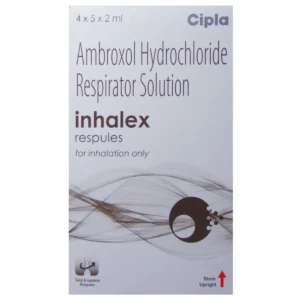
Inhalex Respules
Active Ingredient Ambroxol Hydrochloride Manufacturer Cipla Ltd Packaging 5 respules in 1 packet Strength 15 Mg Delivery Time 6 To 15 days SKU: Inhalex Respules Price range: $20.00 through $72.00Inhalex Respules
Price range: $20.00 through $72.00 -
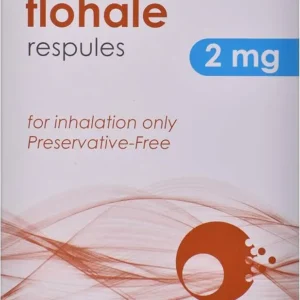
Flohale Respules (Fluticasone Propionate)
Active Ingredient Fluticasone Propionate Manufacturer Cipla Limited Packaging 5 respules in 1 packet Strength 0.5 mg/2 mg Delivery Time 6 To 15 days SKU: Flohale Price range: $45.00 through $181.00Flohale Respules (Fluticasone Propionate)
Price range: $45.00 through $181.00 -

Levolin Respules 0.31 Mg (Levosalbutamol)
Active Ingredient Levosalbutamol Manufacturer Cipla Limited Packaging 5 Respules in Strip Strength 0.31 Mg, 1.25 Mg Delivery Time 6 To 15 days SKU: Levolin Respules 0.31 Mg (Levosalbutamol) Price range: $6.60 through $22.00Levolin Respules 0.31 Mg (Levosalbutamol)
Price range: $6.60 through $22.00 -

Duolin Respules (Levosalbutamol & Ipratropium)
Active Ingredient Levosalbutamol/Ipratropium Manufacturer Cipla Limited Packaging 5 Respules in 1 packet Delivery Time 6 To 15 days SKU: Duolin Respules (Levosalbutamol/Ipratropium) Price range: $20.00 through $56.00Duolin Respules (Levosalbutamol & Ipratropium)
Price range: $20.00 through $56.00 -

Budecort Respules 0.5 Mg
Active Ingredient Budesonide Manufacturer Cipla Limited Packaging 5 respules in 1 packet Strength 0.5mg, 1mg Delivery Time 6 To 15 days SKU: Budecort Respules 0.5mg (Budesonide) Price range: $24.00 through $99.00Budecort Respules 0.5 Mg
Price range: $24.00 through $99.00